


Services
A project is only as strong as its foundation.
A project is only as strong as its foundation
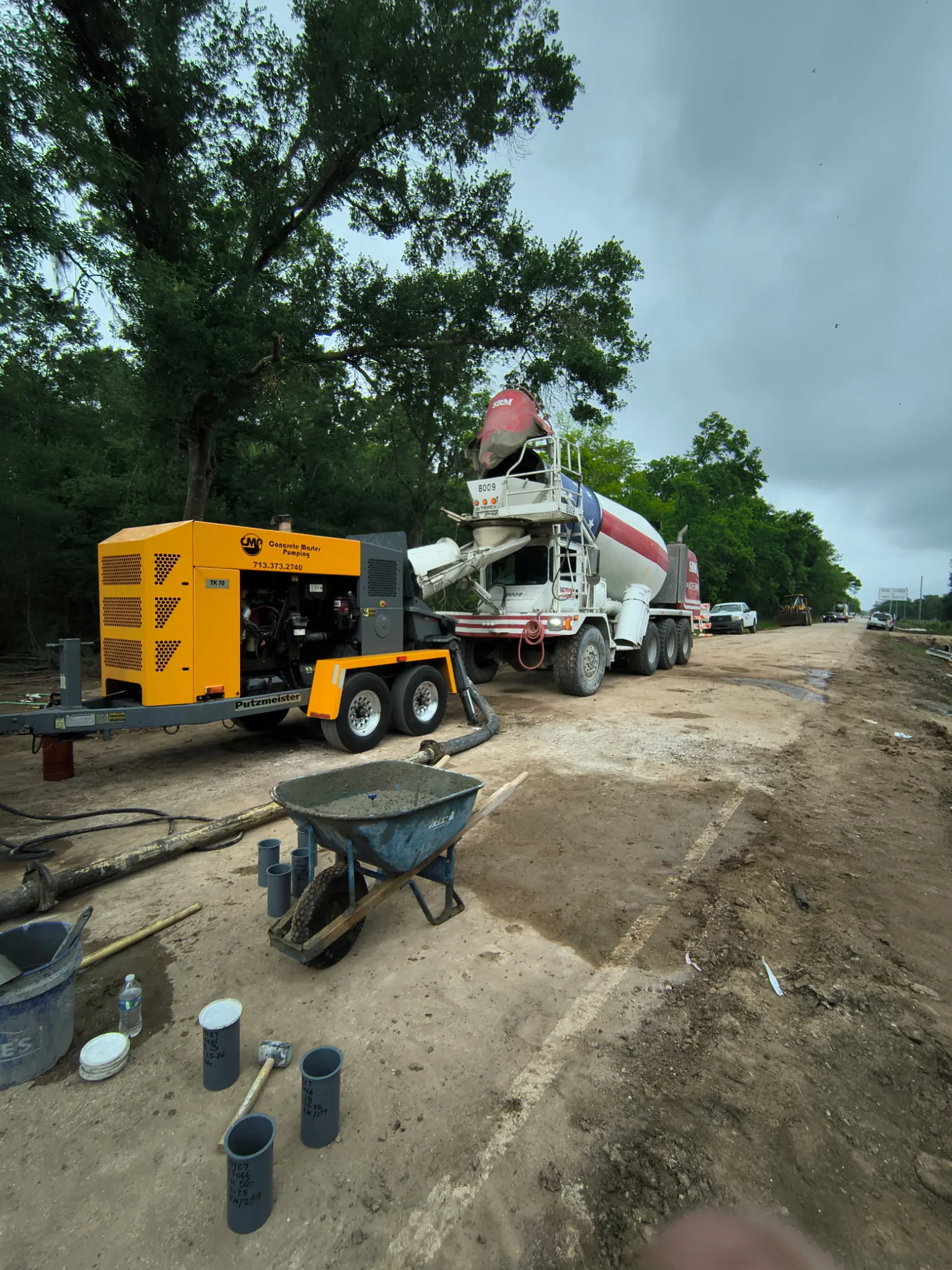
A project is only as strong as its foundation. Precise sampling and accurate testing in a quality laboratory are key factors to making sure construction materials meet engineering specifications. Our testing can supply you with the data needed to manage risk and meet industry requirements. With our in-house trained, certified and experienced professionals, we can assure that your project will have the foundation for success.
Our geotechnical and materials testing laboratory is equipped with state-of-the-art technology to support a full range of testing needs with precision and efficiency. From advanced soil classification and strength testing equipment to modern concrete, asphalt, and aggregate testing systems, our laboratory is designed to deliver accurate, reliable results in accordance with industry standards. Our investment in cutting-edge equipment, combined with experienced technicians and rigorous quality control procedures, ensures that every test provides dependable data to support sound engineering decisions and successful project outcomes.
Quality control through testing & inspection
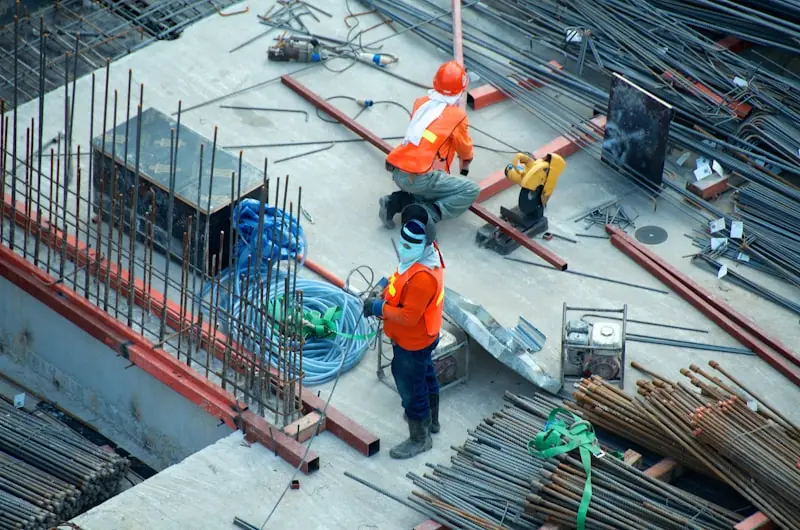
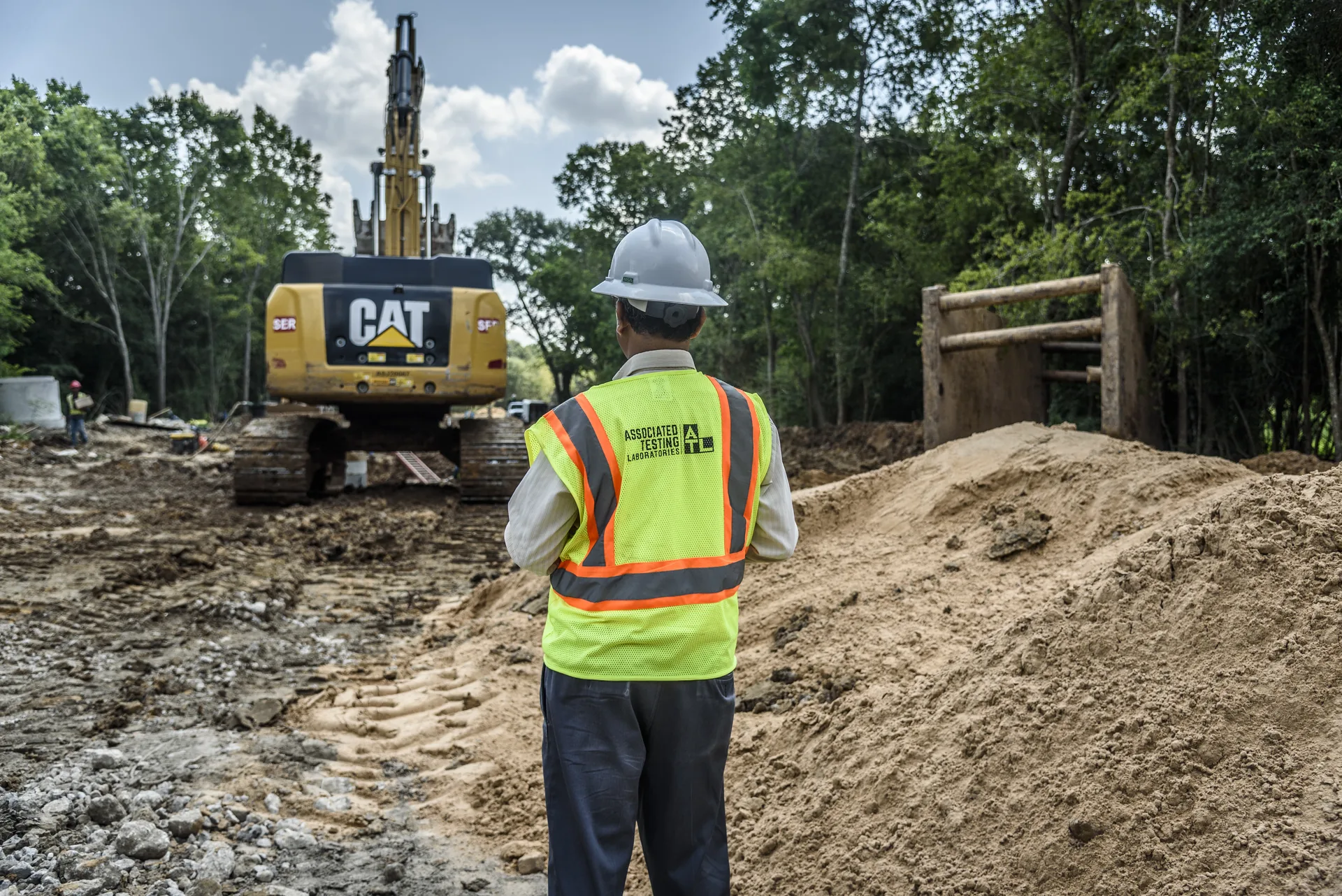
Quality control and assurance through materials testing and inspection provides the evidence needed to ensure materials and techniques comply with project specifications. ATL's extensive materials testing and inspection department provides accurate, timely, and cost-effective services.
Asphalt Inspection & Testing
- Mix design reviews
- Hveem stability
- On-site & batch plant inspections
- Rolling pattern establishment
- Permeability
- Bulk density test
- Sample coring
- Theoretical specific gravity
- Extractions (percent bitumen & gradation)
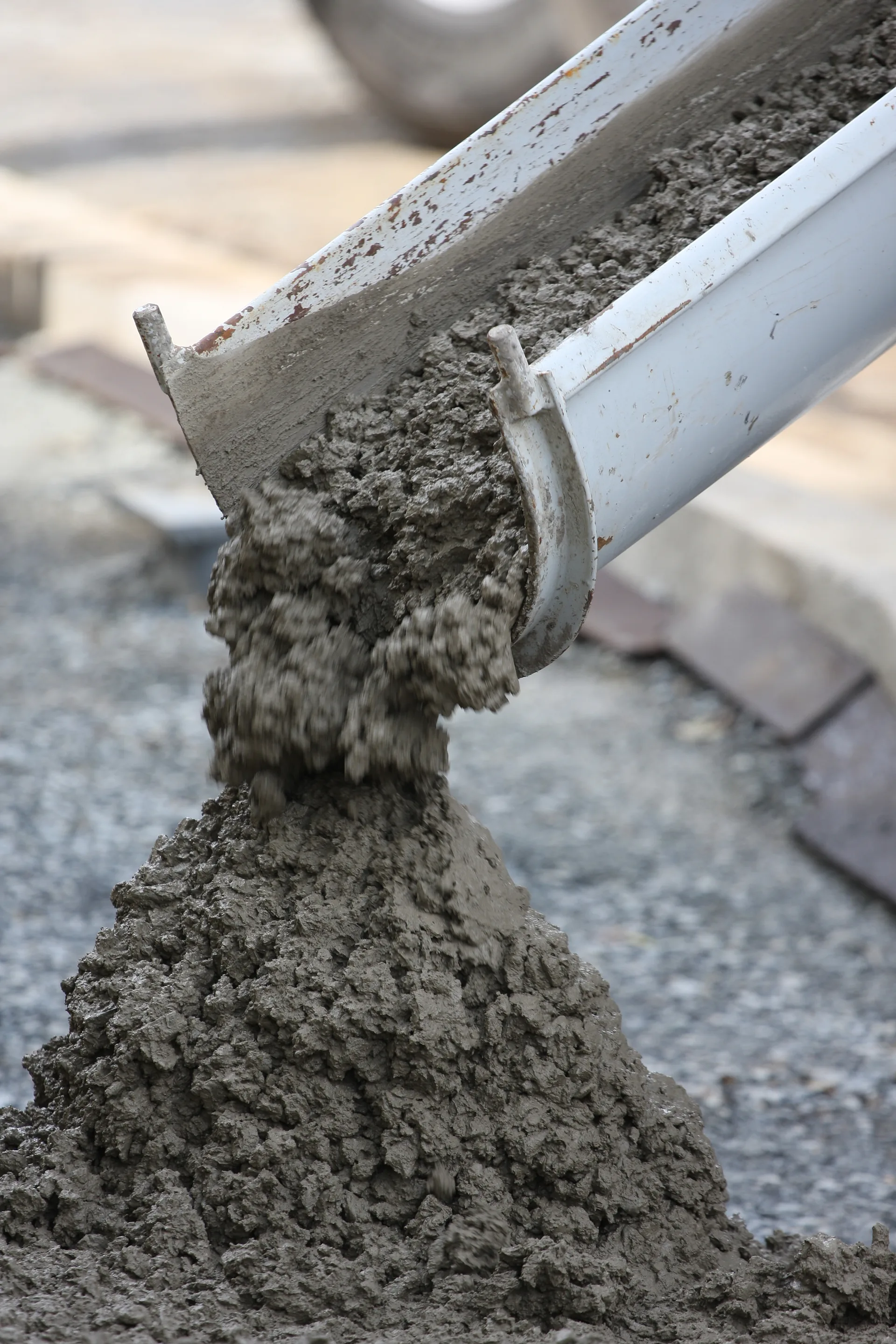
Concrete & Aggregate
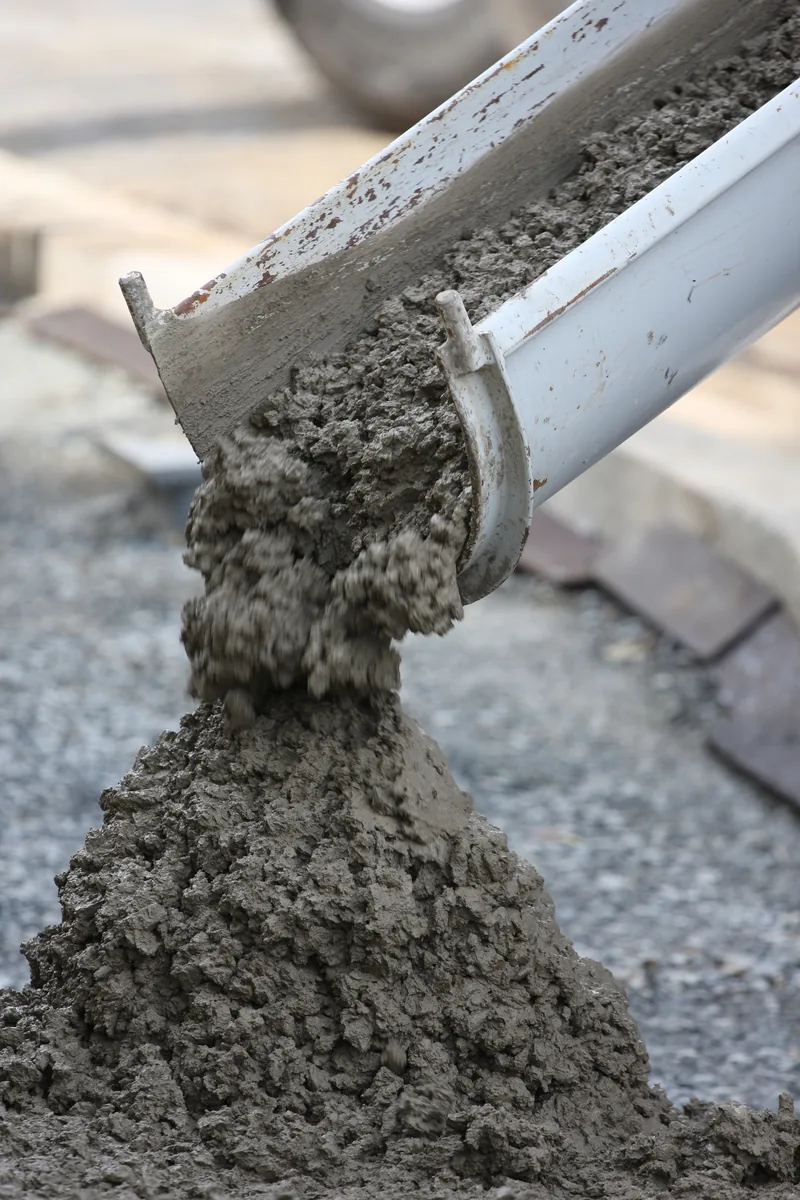
- Mix design reviews
- Slump test
- On-site & batch plant inspection
- Air test
- Drilled piers inspection
- Cast-in-place concrete inspection
- Aggregate tests
- Diamond core drilling
- Post-tension elongation checks
- Pre-stress inspection
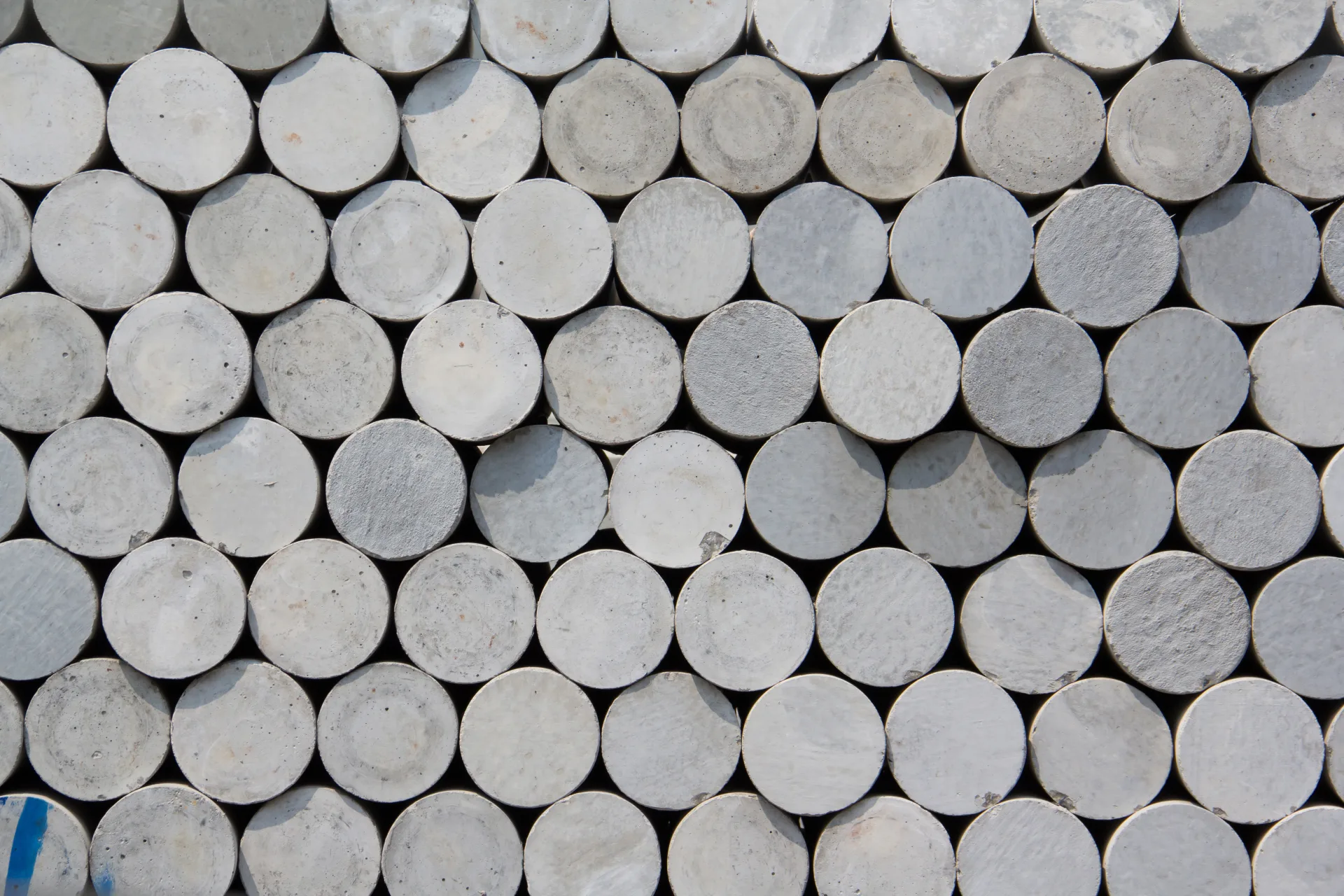
- Compressive & flexural strength tests
- Rebar inspection
Soil Inspection & Testing
- On-site inspections
- Proctors
- Proof rolling
- Plasticity indices
- Compacted soil density inspection
- Gradations
- Cement & lime stabilization
- 200 sieve analysis
- Laboratory density tests
Fireproofing
- Adhesion / cohesion test
- Unit weight test
- Thickness inspection
Structural Steel
- Welder qualifications review
- Dry penetrant test
- Non-destructive welding inspection
- Radiographic test
- Reinforcing steel inspection
- Tensile strength test
- Bolt & torque inspection
- Bend test
- Ultrasonic test
Masonry
- Concrete masonry unit testing
- Field construction inspection
- Mortar & grout testing
- Absorption & linear shrinkage
Foundations begin below the surface
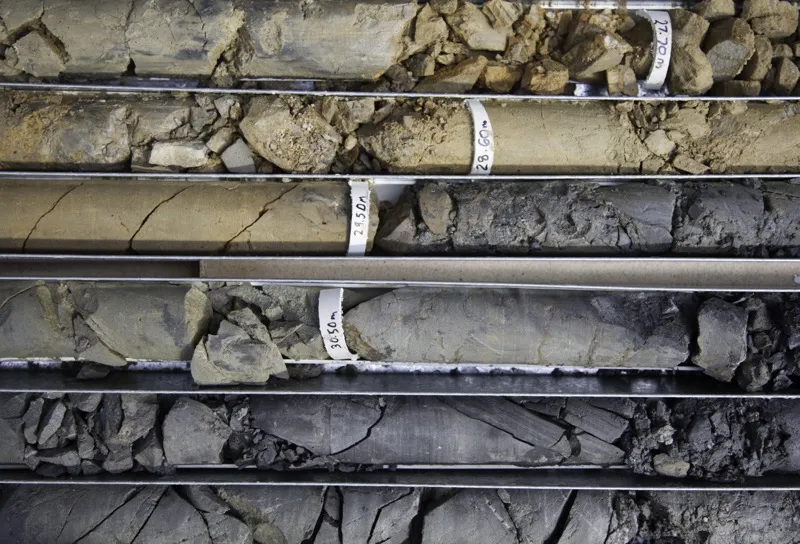
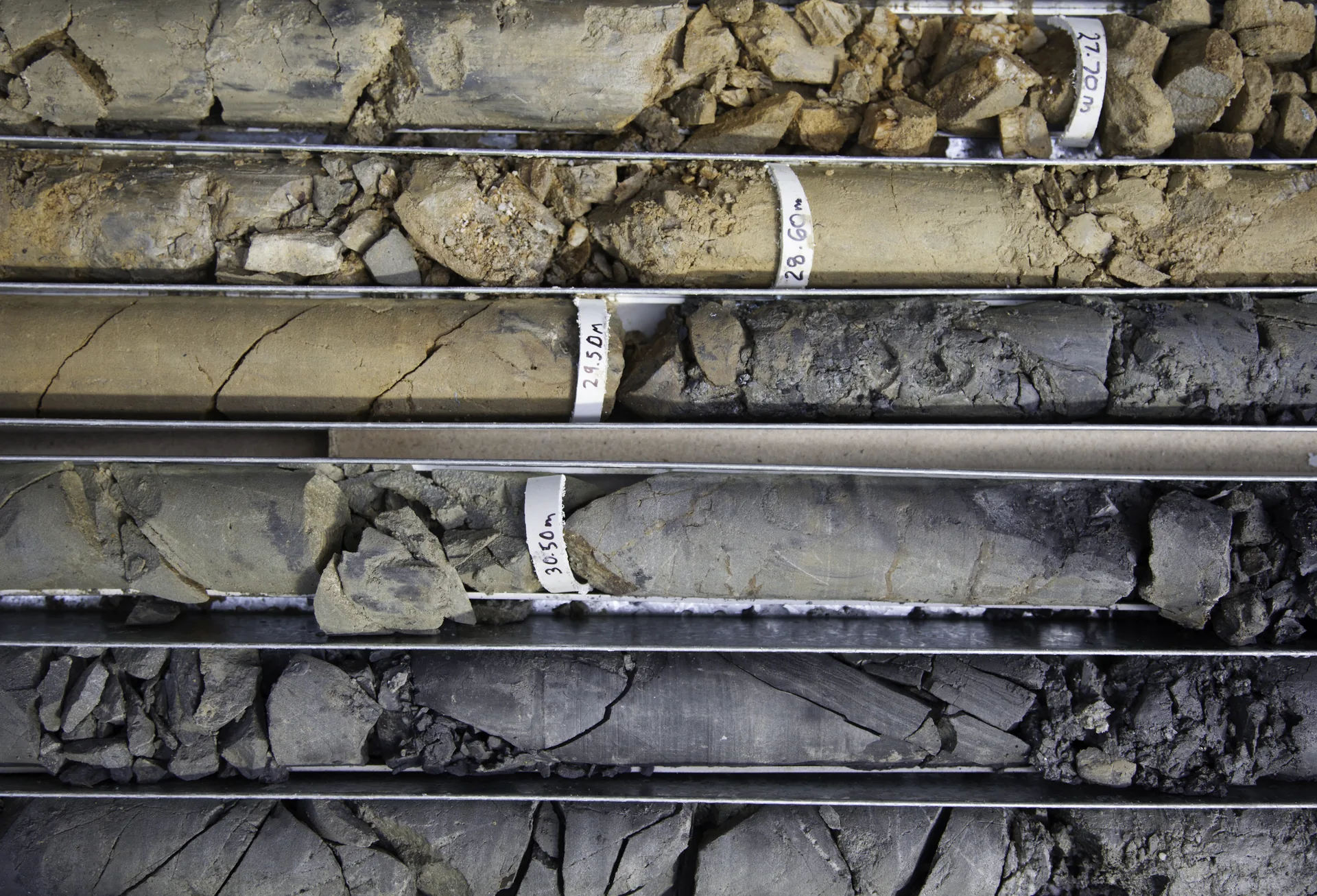
Virtually every structure requires consideration of subsurface features unique to the locale. Geotechnical drilling, engineering, and laboratory testing are vital predecessors to the design and construction of every project. Subsurface soils and ground water conditions properly identified and classified are the foundations for architectural, civil and structural design above ground.
ATL's responsibility is to provide clients with accurate and representative information concerning subsurface recommendations for the design and construction of a wide variety of projects. The results of properly performed geotechnical and drilling services are improved foundation design and reduced construction costs.
ATL's geotechnical laboratory has the capabilities to perform geotechnical testing under controlled conditions in order to properly evaluate standardized test materials. ATL's tests are conducted in accordance with ASTM standards unless otherwise noted in the project specifications. These geotechnical capabilities include, but are not limited to the following:
Laboratory Testing
- Moisture content
- Atterberg limits
- Soil classification
- Permeability tests
- Unconfined compressive strength
- Particle size analysis
- Triaxial shear tests
- Swell tests
- Consolidation tests
- California bearing ratio test
Engineering & Field
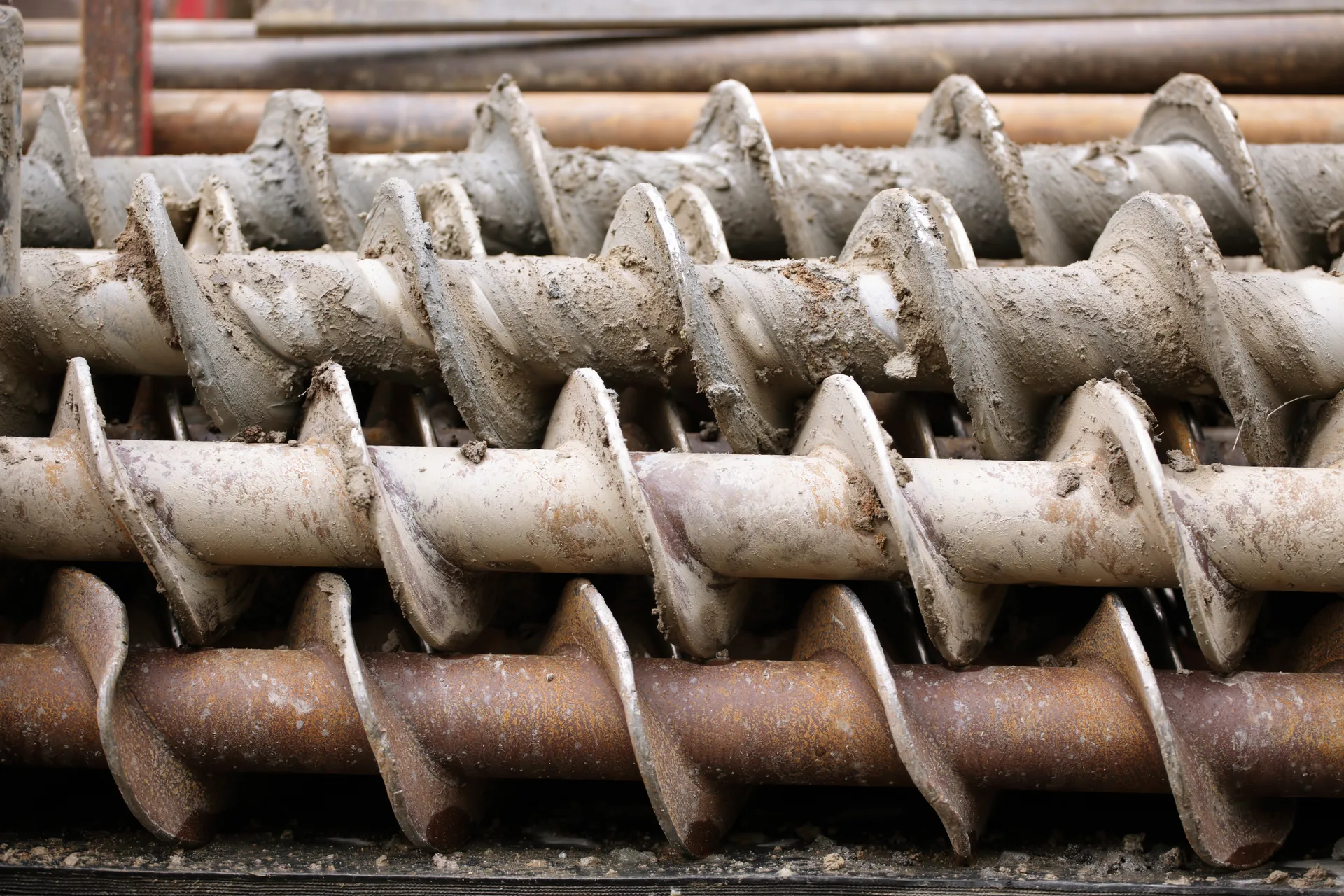
- Soil drilling & sampling
- Civil design site development assessment
- Foundation analysis & design
- Earth-retaining structures design
- Construction recommendations
- Pavement recommendations
Managing environmental risk before you build
Environmental engineering services evaluate potential environmental risks associated with a site to support safe development, regulatory compliance, and long-term project performance. These assessments are essential for infrastructure and building projects: they minimize liability, avoid costly delays, ensure compliance with environmental regulations, and protect public health and the environment before construction begins.
Phase I Environmental Site Assessment
A critical first step that reviews historical records, site conditions, and regulatory databases to identify and assess potential environmental concerns and contamination risks.
- Site reconnaissance
- Past & present land use via aerial photographs
- Hydrological & local geological review
- Historical maps review
- National wetlands map
- Topographic maps review
- FIRM (flood) maps review
Phase II Environmental Site Assessment
Conducted to quantify potential contaminants identified during a Phase I assessment, through sampling and laboratory testing.
- Groundwater & surface water sampling
- Testing for total hydrocarbons
- Testing for metals
Accredited, audited, and accountable
ATL is accredited in construction materials testing and geotechnical engineering by the American Association for Laboratory Accreditation (A2LA), ensuring our lab meets rigorous standards for testing, equipment calibration, and analysis procedures. ATL also participates in proficiency sampling programs including the Cement and Concrete Reference Laboratory (CCRL) and AASHTO's Proficiency Sample Program (PSP), evaluating testing competency and ensuring the integrity of the materials used in our infrastructure projects.