

Modernizing sewer infrastructure in Houston's oldest neighborhoods
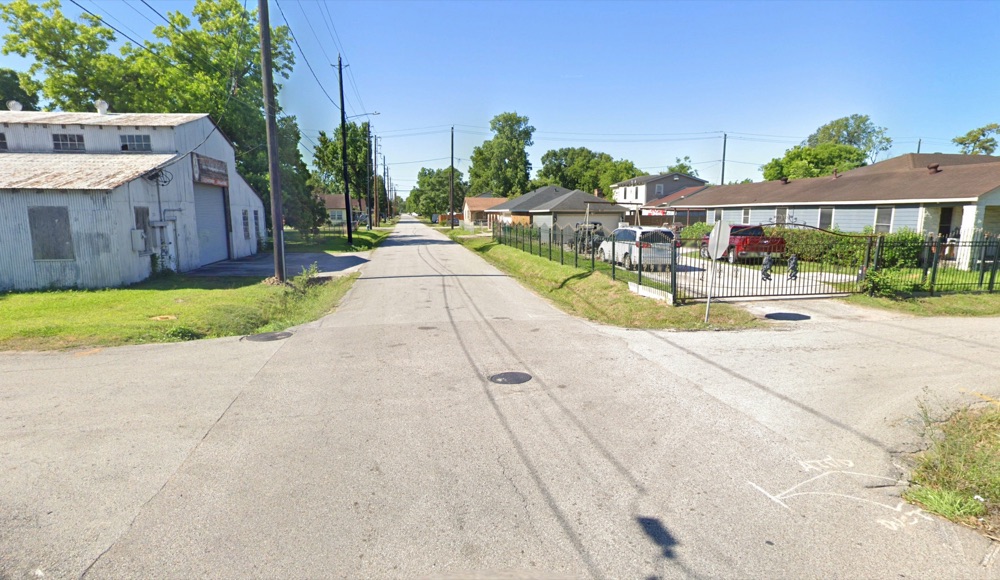
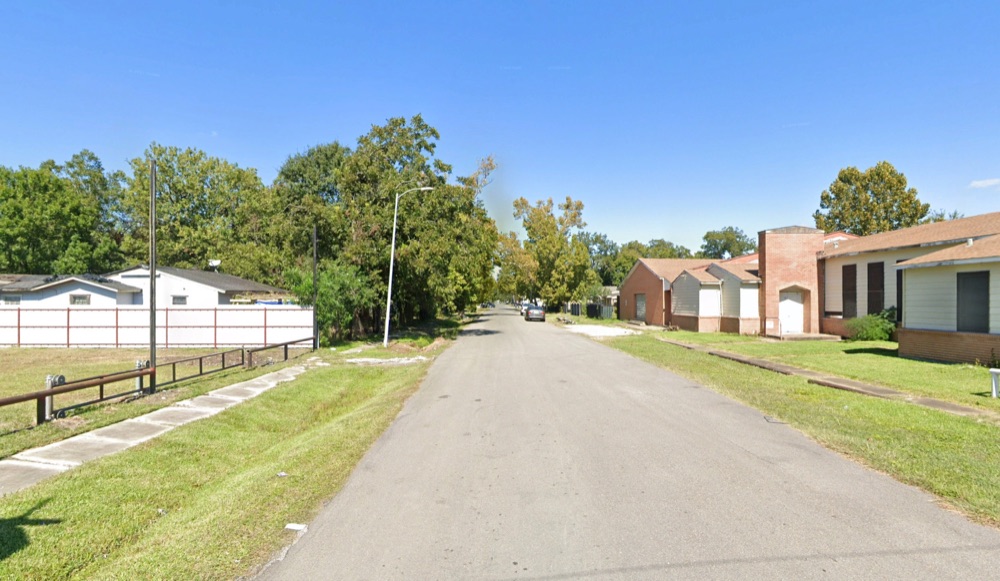
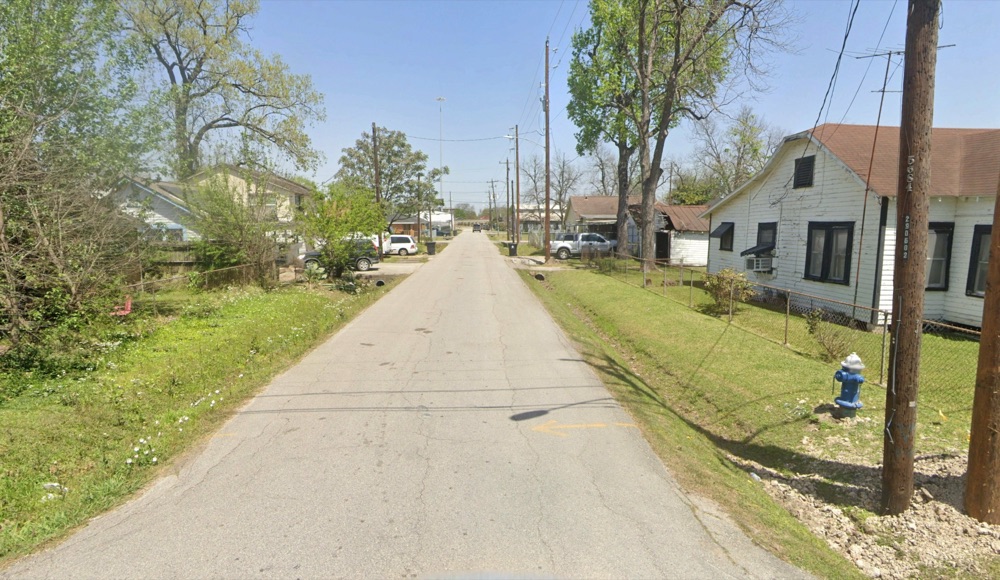
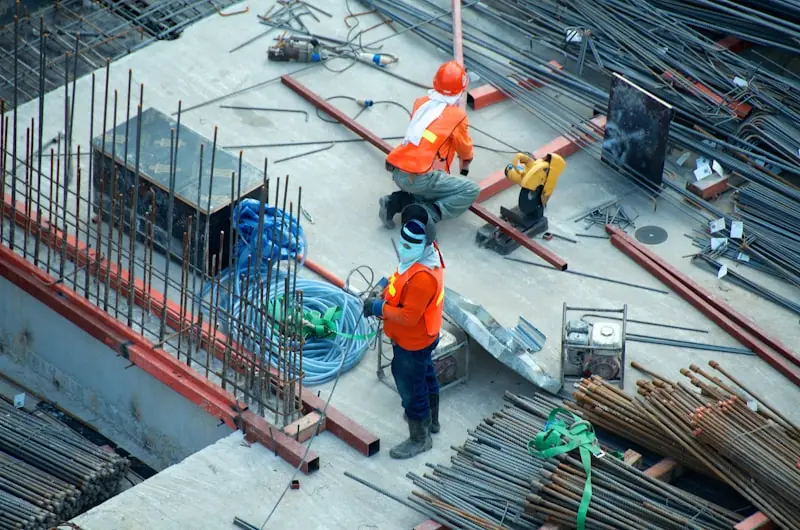
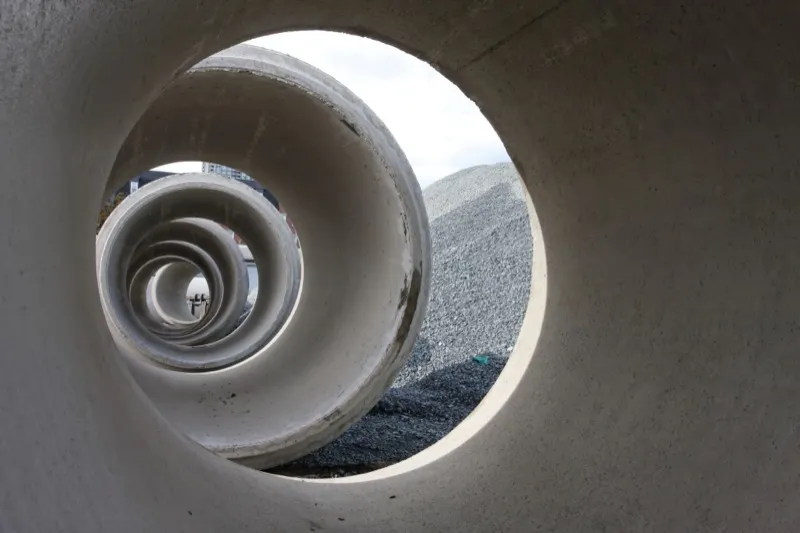
Threading through some of Houston's oldest and most historically layered neighborhoods, this project was driven by a critical need to restore and modernize aging sanitary sewer infrastructure that had diligently served the city for generations. Many of the existing sewer lines date back decades, originally constructed to serve lower population densities and far less intense land use. Over time, increased demand, aging materials, and infiltration from Houston's high groundwater conditions placed significant strain on the system.
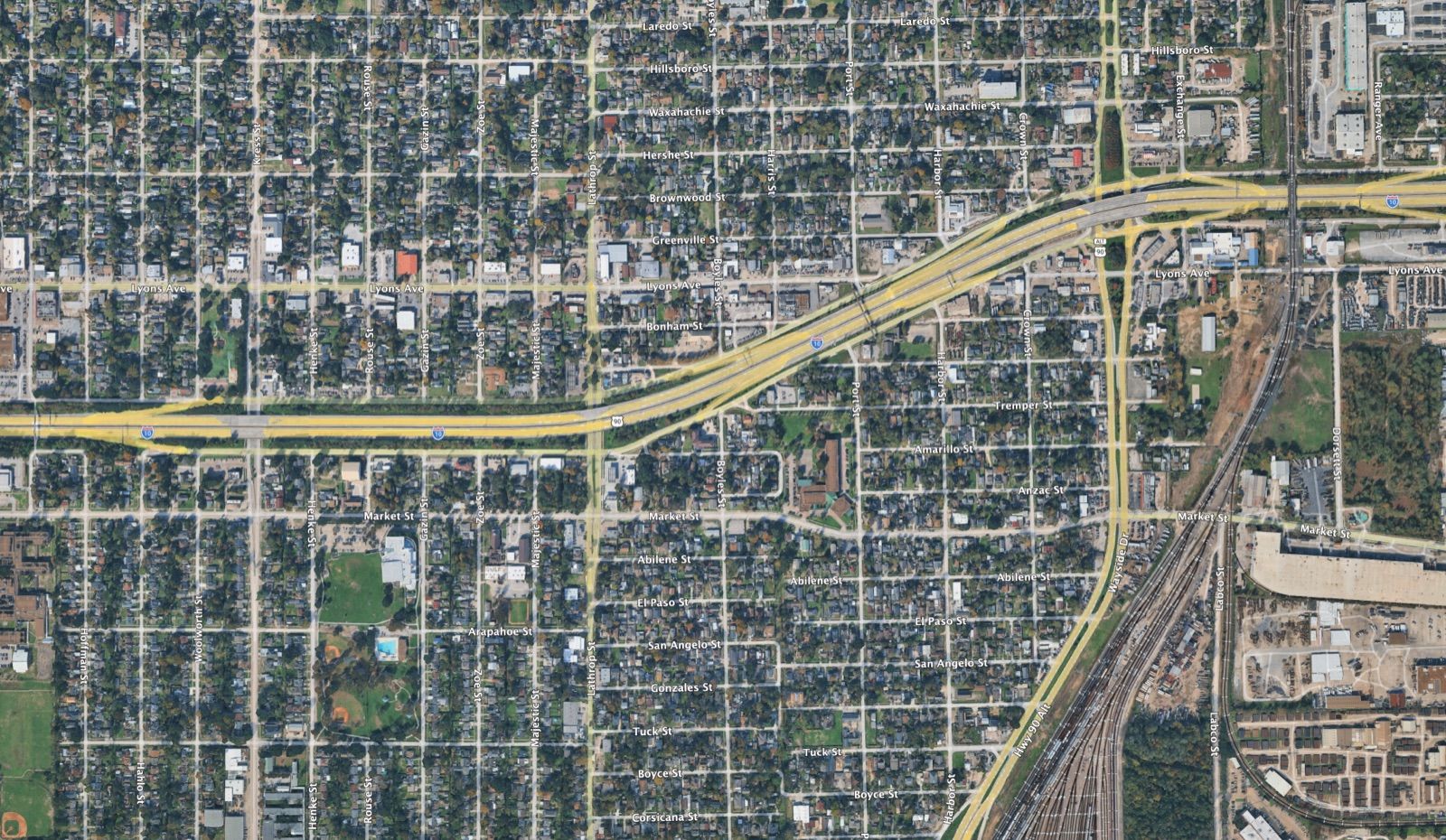
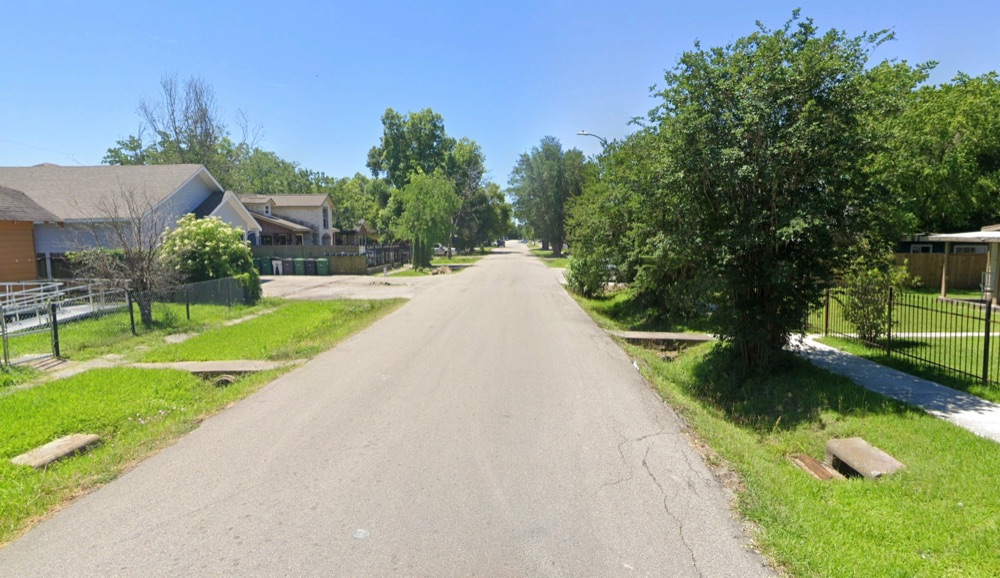
The Neighborhood Sanitary Sewer Improvements Project area is located in the I-10 East corridor of northeast Houston, an area characterized by tightly developed established residential neighborhoods interspersed with light industrial and commercial developments. The project area generally lies along Interstate 10 East, near key thoroughfares such as Highway US 90, Lyons Avenue, and Market Street, with additional improvements extending into adjacent neighborhood streets and local collector roadways.
Many of the affected lines run beneath older residential streets, narrow rights-of-way, and heavily traveled corridors, making maintenance and repairs more challenging and disruptive over time. The project was implemented to restore system performance and enhance long-term service reliability in the area for a total of approximately 25,000 linear feet of sanitary sewer improvements.
Integrated geotechnical & environmental services
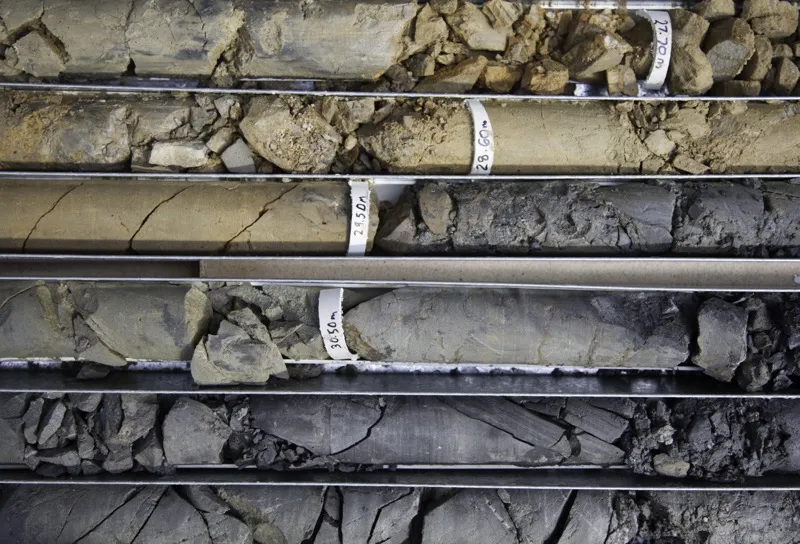
The integration of geotechnical and environmental engineering services on this project enabled ATL to provide the design team with a comprehensive understanding of subsurface conditions that addressed both constructability and environmental compliance requirements simultaneously.
This project highlights ATL's role as a trusted multi-discipline partner on the City of Houston's ongoing wastewater consent decree program. When your pursuit involves neighborhood-scale utility replacement in fully developed urban areas, ATL brings the field adaptability and environmental awareness these complex alignments demand.